Seven Keys to Emotional Freedom

We Have More Choice Than We Think
Have you ever yelled at a child and then answered the phone in the sweetest, calmest voice? Or found yourself in tears, only to pull yourself together moments later and respond to your boss as if everything were perfectly fine?
If you have, then you already know something important:
We have more control over our emotional state than we sometimes realize.
The question is: Can we arrive at that state through genuine emotional regulation rather than simply suppressing what we feel?
And can we learn to regulate our emotions without relying solely on meditation or breathwork?
I believe the answer is yes.
Meditation and breathwork absolutely have their place. They can calm the nervous system and create space between an emotion and our response to it. But they can also sometimes give us the illusion that we are doing the deeper work.
It's a little like exercise giving us permission to indulge in ways that undermine our health. We can meditate, feel peaceful for twenty minutes, and then return to the same patterns that created our distress in the first place.
Real regulation asks something more of us.
It asks us to look at ourselves, our relationships, our boundaries, our grief, our expectations, and sometimes even the patterns we inherited.
One of my favorite sayings captures this beautifully--
“Pray to God, Sailor, but row for the shore!”
In other words, the inner work matters. But so does the outer work.
We have to participate in our own transformation.
Here are seven keys that I believe lay the groundwork for genuine emotional regulation.
1. Self-Worth Creates Emotional Freedom
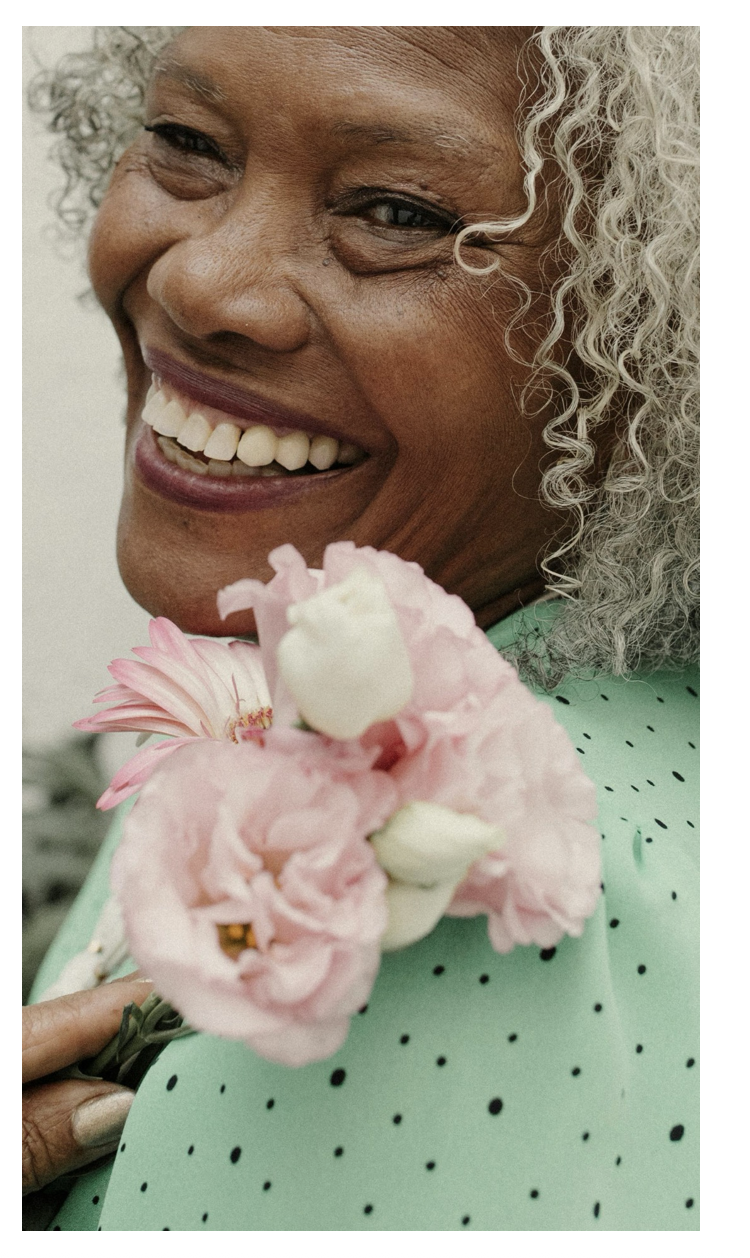 The more you like yourself, the less other people control your emotional space.
Your opinion of yourself does not need to be based on how other people behave toward you.
People with money, power, social connections, status, or influence may sometimes overlook others or behave in ways that feel dismissive. Try not to take it personally. You don't know what someone experienced in their life that led them to cling so tightly to those things.
The more secure you become in who you are, the less power someone else's behavior has over your emotional state.
Self-worth creates emotional freedom.
2. Make Room for Fifty Shades of Gray
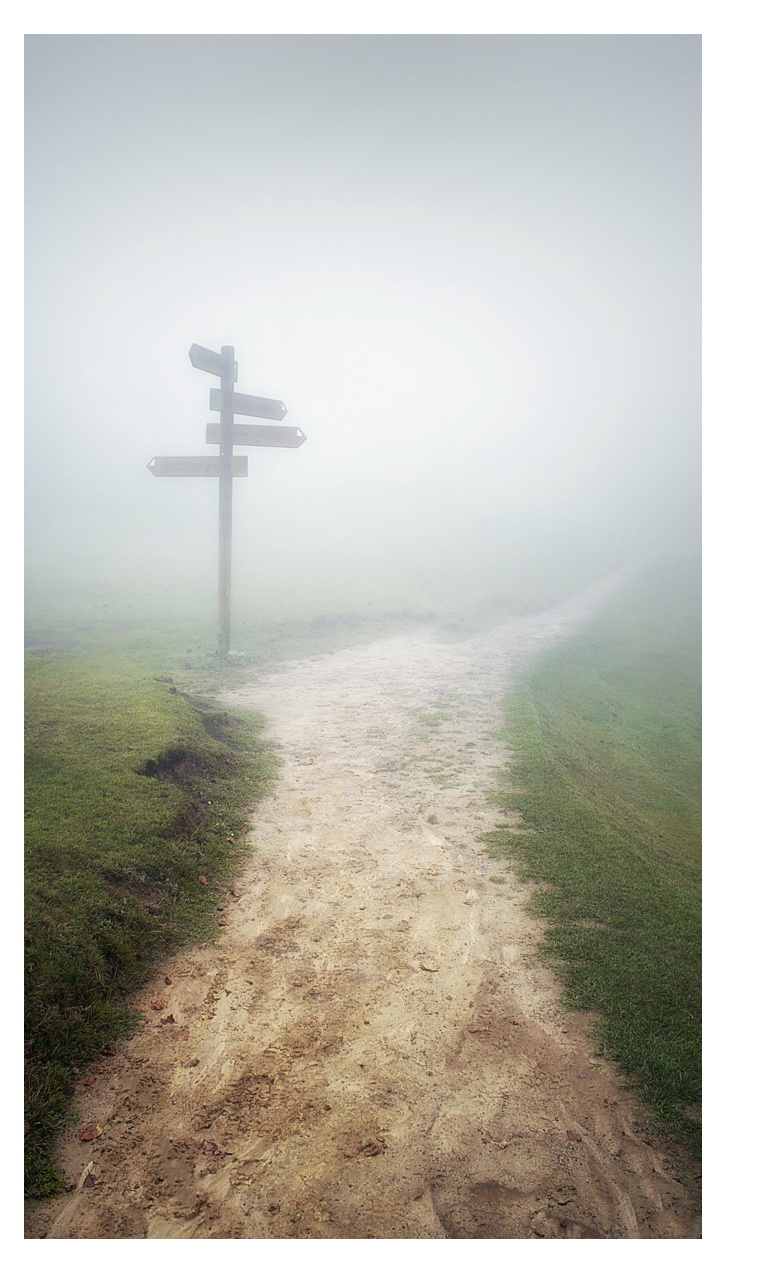 The ability to see nuance creates space between what happens and how we respond.
As an economist, I was taught early on that people act in their own self-interest! But self-interest can take many forms. Someone may be motivated by loneliness.
Someone else by fear, financial insecurity, a need for attention. Or it might be competitiveness, a desire to feel important and a need to be seen.
Understanding what might be underneath someone's behavior doesn't mean excusing it.
It simply gives you enough distance to respond rather than react.
You don't have to approve of someone's behavior to understand it.

3. What Is Beneath the Anger?
Sometimes, underneath anger is sadness.
And sometimes sadness is connected to grief over past or present losses.
Grief isn't limited to death. We grieve relationships, opportunities, identities, dreams, childhoods, expectations, and the lives we thought we were going to have.
Grief walks beside us, raising its head in unexpected places.
When it does, instead of judging yourself for being angry or overwhelmed, try asking:
What am I really hurting about?
What have I lost?
What needs to be acknowledged?
The 13th-century Persian poet and Sufi mystic Rumi explored this beautifully in the poem translated into English as The Guest House. The poem invites us to consider even difficult emotions as visitors rather than enemies.
Sometimes emotional regulation begins simply by offering ourselves the kindness and love that perhaps no one offered us when we needed it most.
4. Give Without Keeping Score
One of the hardest lessons in relationships is learning to give without keeping score.
If you've done something for someone, try to let it go.
Your generosity doesn't need to be repaid or even remembered to have been meaningful.
And when someone says something that hurts us, we may carry those words far longer than the person who said them ever intended.
So if you can, do something for someone simply because you can.
Be kind without keeping a ledger.
Give freely. And let go freely.
5. The Anger of an Unspoken No
Sometimes rage isn't simply anger.
It can be the accumulated result of having our boundaries crossed over and over again.
Perhaps you've said yes when you wanted to say no.
Perhaps you've done things for other people when you didn't have the capacity or the desire to do them.
Perhaps you've stayed silent because you couldn't bear to disappoint someone.
Boundary violations can be subtle. They don't always look dramatic.
Sometimes they look like repeatedly abandoning yourself in order to keep someone else happy.
Learning to say no and allowing someone else to be disappointed by that no can be an enormous act of emotional regulation.
6. Make Your Life Bigger
The fuller your life becomes, the more room you create for joy.
Joy doesn't erase grief or frustration. It doesn't mean that difficult things haven't happened.  But joy reminds us that they aren't the whole story.
So dust off your dreams.
The dreams you put away because life got busy.
The ones you decided were impractical.
The ones you thought were too late.
Dreams don't expire.
They may change shape. They may take a different path than you imagined. But they can continue to call us forward.
A full life gives our emotional world more room to breathe, creating space not only for joy, but for gratitude, connection, wonder, and hope.
7. What Did You Inherit?
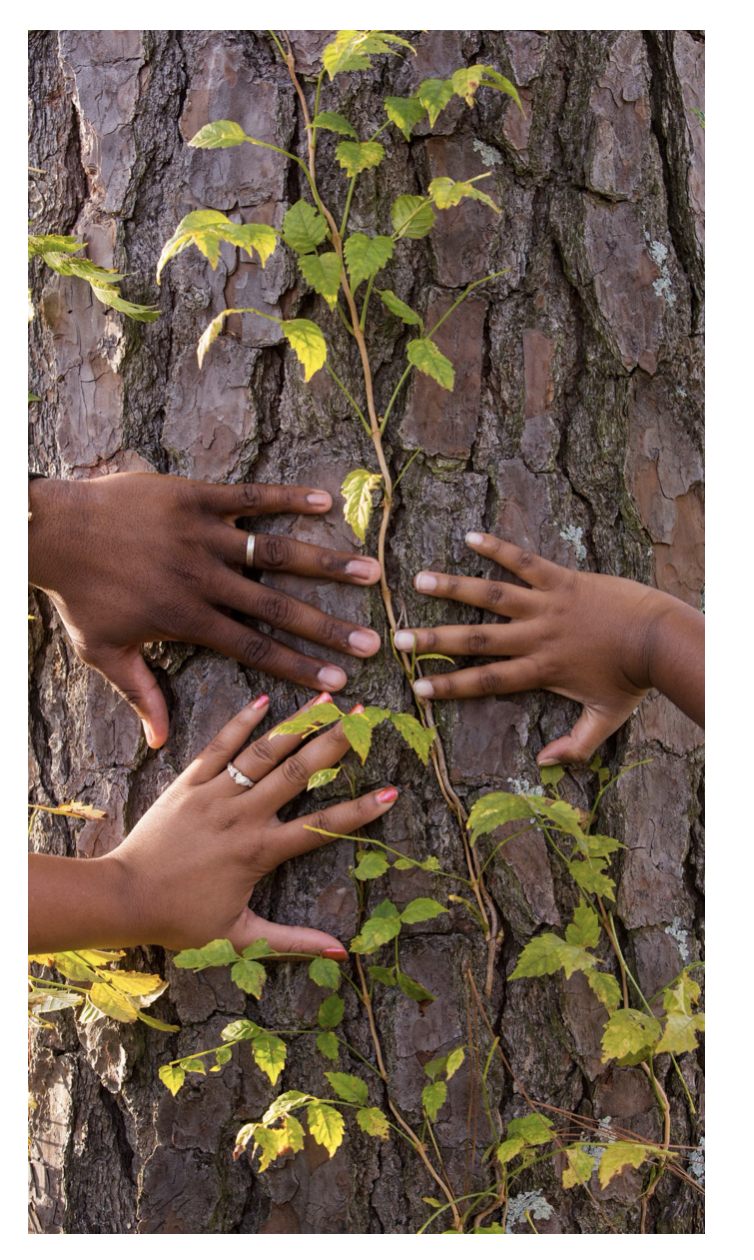 And finally, some of the patterns we carry may have roots in our family history.
Research into transgenerational trauma suggests that the effects of severe stress and trauma can influence subsequent generations through a complex combination of biological, psychological, and environmental pathways. The science around epigenetic inheritance in humans is still developing, but we don't need to know exactly where every pattern began to recognize that it exists.
Perhaps your family taught you to stay quiet.
Perhaps you learned that love meant pleasing other people.
Perhaps you inherited a fear of scarcity, rejection, conflict, or failure.
Whatever its origins, awareness gives us a choice:
What do I want to carry forward? And what am I ready to leave behind?
Nothing needs to hold you back from becoming who you were meant to be.
Freedom Is Not Suppression
Emotional freedom isn't about becoming someone who never gets angry, sad, hurt, or overwhelmed.
It isn't about being calm all the time.
And it certainly isn't about pretending that difficult emotions don't exist.
E-motion, as has often been said, is energy in motion!
It's about developing the capacity to feel what we feel without allowing every emotion to run the show.
Sometimes that means pausing.
Sometimes it means setting a boundary.
Sometimes it means grieving.
Sometimes it means looking at our own expectations.
Sometimes it means choosing compassion.
Sometimes it means dusting off an old dream.
And sometimes it means doing the inner work and then, as the saying goes, rowing for the shore.
Perhaps one of the greatest gifts of emotional regulation is that it gives us the grace to age well emotionally.
As we grow older, life will inevitably bring loss, disappointment, change, and uncertainty. We cannot control what happens to us, or how other people behave. But we can become more spacious in how we meet those experiences.
We can become less reactive, less defended, less dependent on the approval of others. We can become more compassionate toward ourselves and others. We can learn when to hold on, when to let go, and when to simply allow something to be what it is.
Aging well isn't only about keeping our bodies healthy. It's also about becoming someone who can live peacefully inside.
The goal isn't to suppress our emotional life.
The goal is to become spacious enough to hold it and wise enough to know what to do with it.
With all my love,
Anu